
With the widespread application of visual inspection equipment in pharmaceutical, chemical, food and other industries, its importance has become increasingly prominent. To ensure its reliability and long service life, regular maintenance is indispensable.
So how should we carry out equipment maintenance? Next, we will introduce some maintenance measures and precautions.
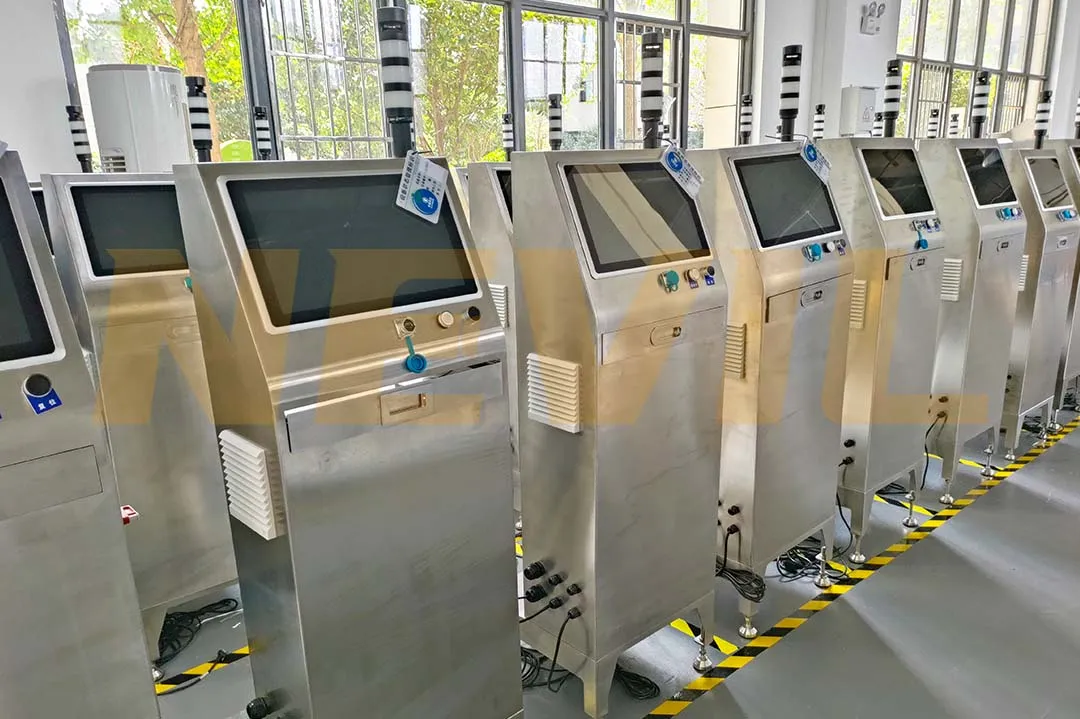
Why does visual inspection equipment need maintenance?
Visual inspection equipment is widely used in pharmaceutical, chemical, food, printing, and other fields. Its excellent inspection accuracy, high-speed characteristics, and reliability make it an indispensable device.
However, long-term high-intensity operation will cause wear to equipment components, thereby reducing performance and service life. Regular maintenance can significantly extend the service life of inspection equipment, reduce maintenance costs, and improve work efficiency.
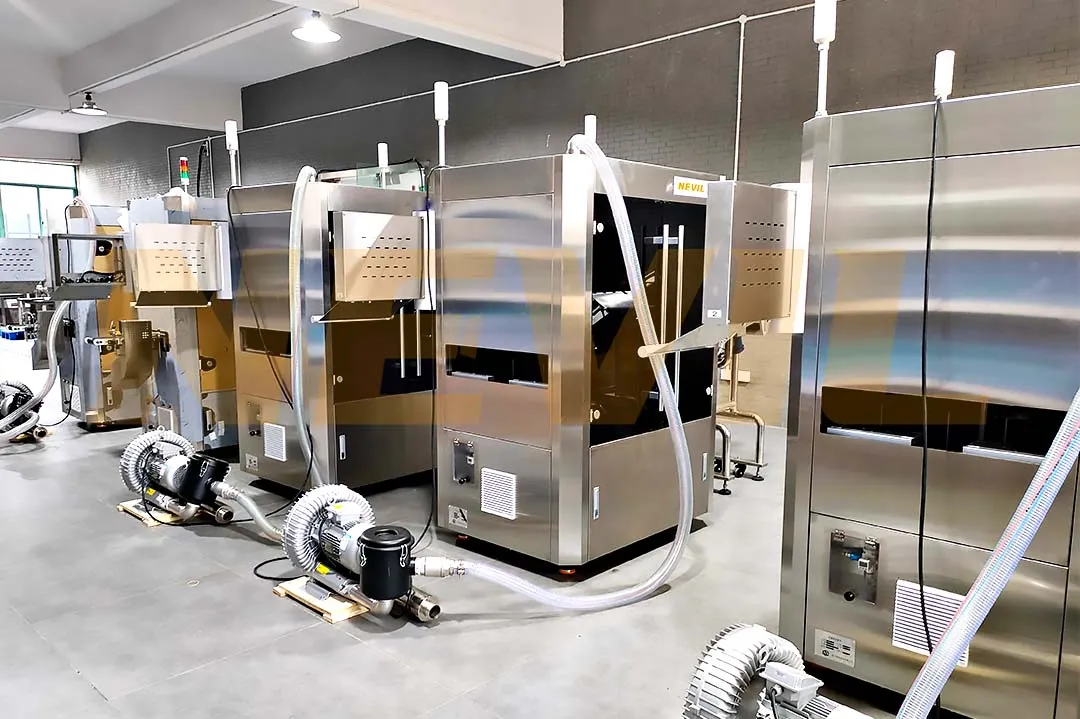
How to maintain visual inspection equipment
1. Installation and operating environment
The equipment should be installed and used in a room-temperature environment. Use in high-temperature, humid, or acidic/alkaline environments will affect the service life and production efficiency of visual inspection equipment.
2. Check the electrical cabinet and power supply system
Ensure that the equipment's electrical cabinet and power supply system operate normally to prevent harm to the equipment from voltage fluctuations or current overload. Regularly check the insulation of wires, plugs, and electrical cabinets, as well as whether the grounding is good. If any abnormality is found, repair or replace it promptly.
3. Dedicated personnel management
The factory should assign professional technical personnel to manage visual inspection equipment. Non-professionals must not adjust the lens arbitrarily, so as to avoid affecting inspection accuracy.
4. Regular cleaning
The equipment needs regular dust removal, and the lens should be regularly wiped with a dust-free cloth. Regularly apply anti-rust oil to all components to prevent rust. To avoid machine rust or electric shock hazards, it is strictly prohibited to let water droplets fall on the machine during operation.
5. Adjust the equipment's operating parameters
Adjust the operating parameters of the inspection equipment in a timely manner according to different working conditions to ensure that the equipment is in optimal condition. This will help reduce overload and energy waste.
6. Regular inspection
Regularly conduct a comprehensive inspection of the equipment, including the equipment's installation status, component wear, and equipment performance, etc. If any problem is found, deal with it promptly. The equipment power cord should also be regularly checked for wear, surface cracking, or copper core leakage.
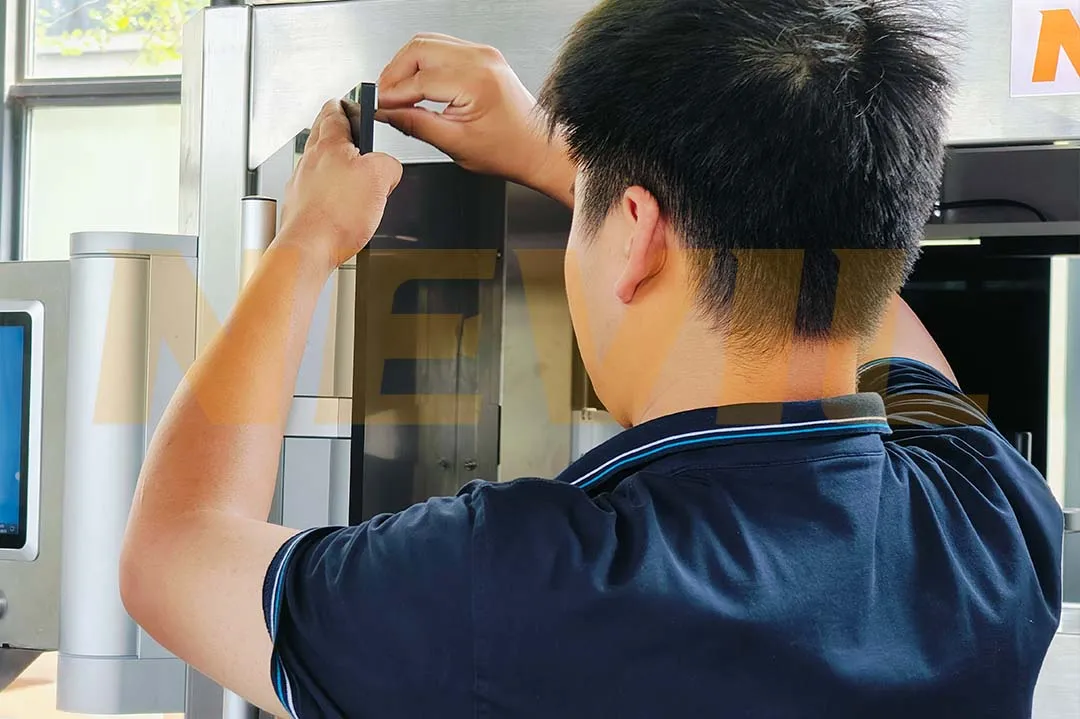
Precautions
1. Safety first
Before carrying out maintenance and repair work, be sure to cut off the power supply and eliminate hazards to avoid accidents. At the same time, use appropriate personal protective equipment, such as gloves and goggles, to ensure work safety. It is recommended that you follow the operation and maintenance manual for the specific equipment to perform correct maintenance and repair operations.
2. Professional maintenance
If you do not have sufficient understanding of inspection equipment maintenance or need to carry out more complex repair work, seek assistance from professional maintenance personnel or service providers to avoid damaging the equipment or causing safety issues.
In short, understanding and following these visual inspection equipment maintenance tips will help keep the equipment in optimal condition to ensure its efficient operation in various application fields.
 Scan for more



